What we do
Concrete Services
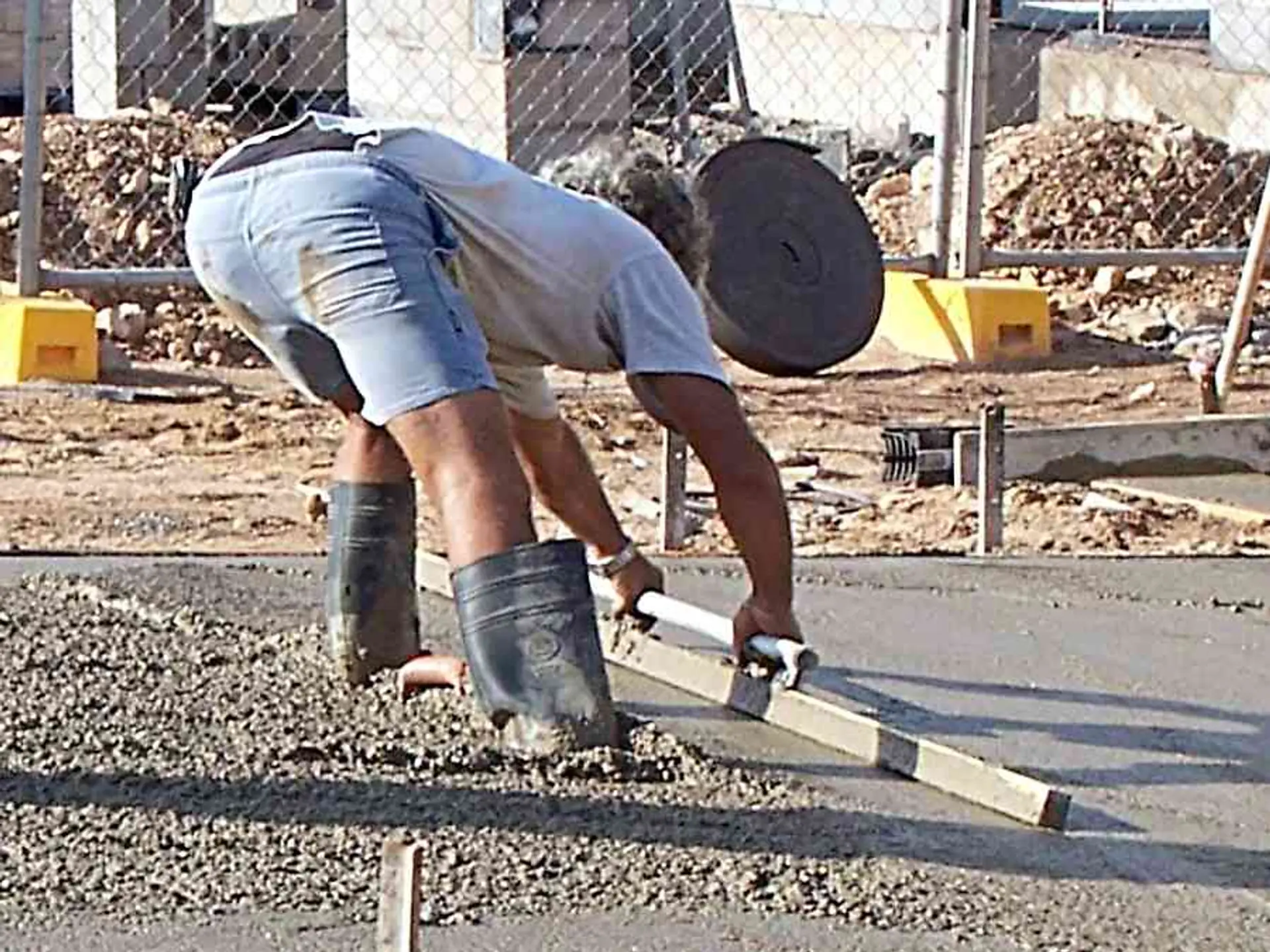
Residential and light commercial concrete across the Southern Tier — excavated, based, formed, poured and finished by our own crews. Free written estimates on all of it.
What We Pour
Concrete Driveways
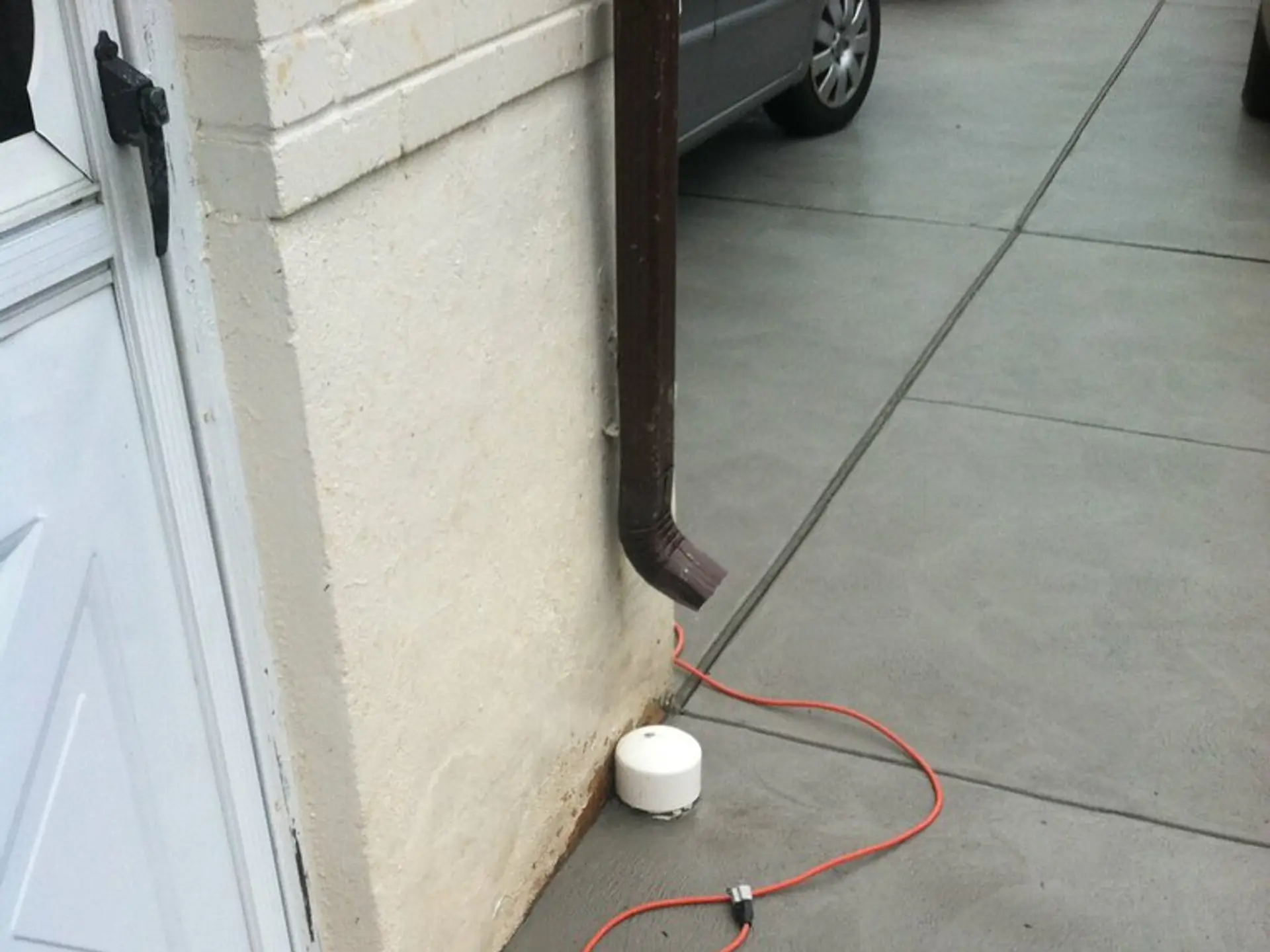
New driveways, aprons and replacements — excavated, based, reinforced and poured to drain away from the house instead of toward it.
Patios & Outdoor Living
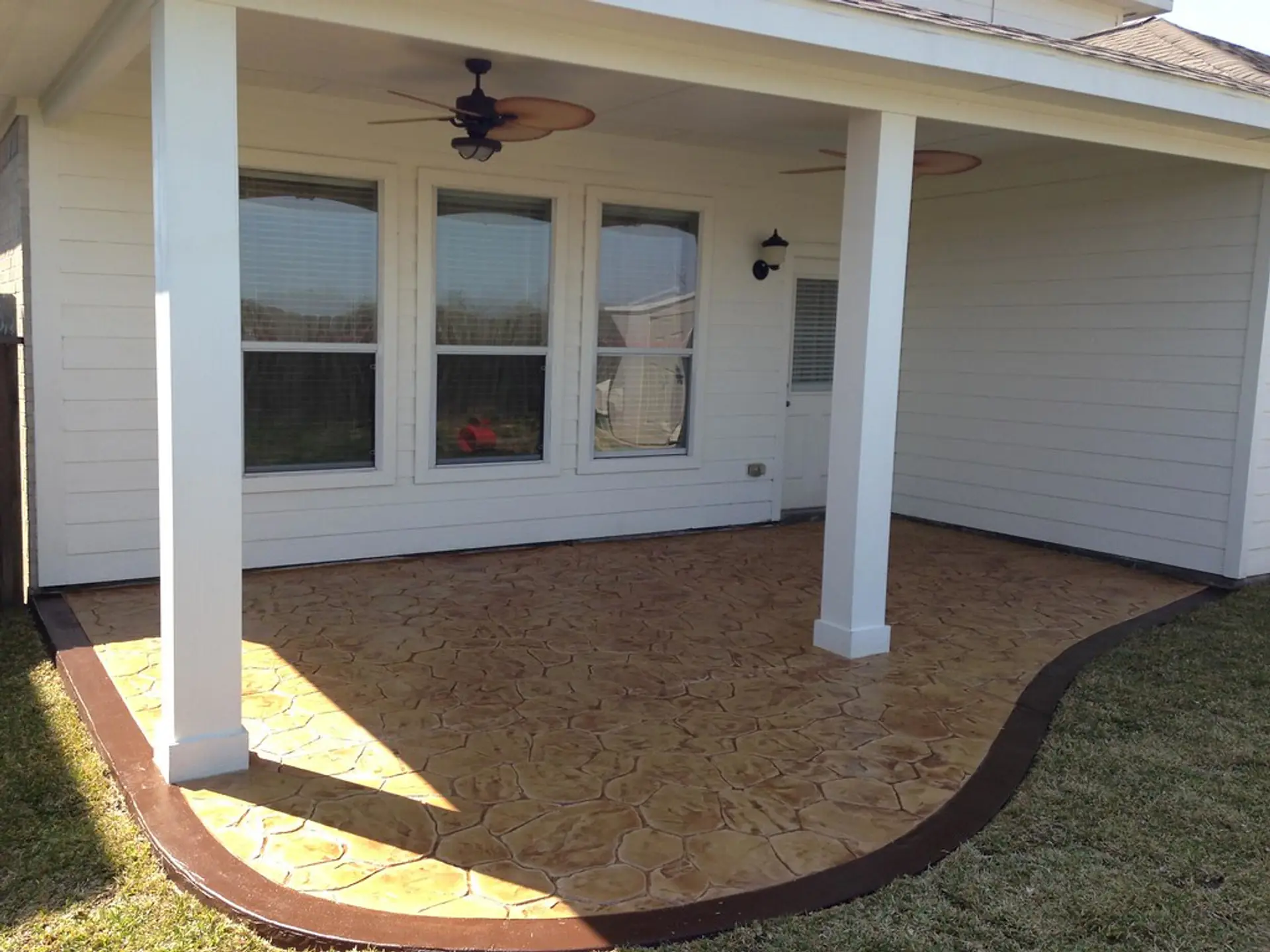
Poured patios, pool decks and porch slabs sized and sloped for how you actually use the yard, with clean edges and decorative borders.
Stamped & Decorative Concrete
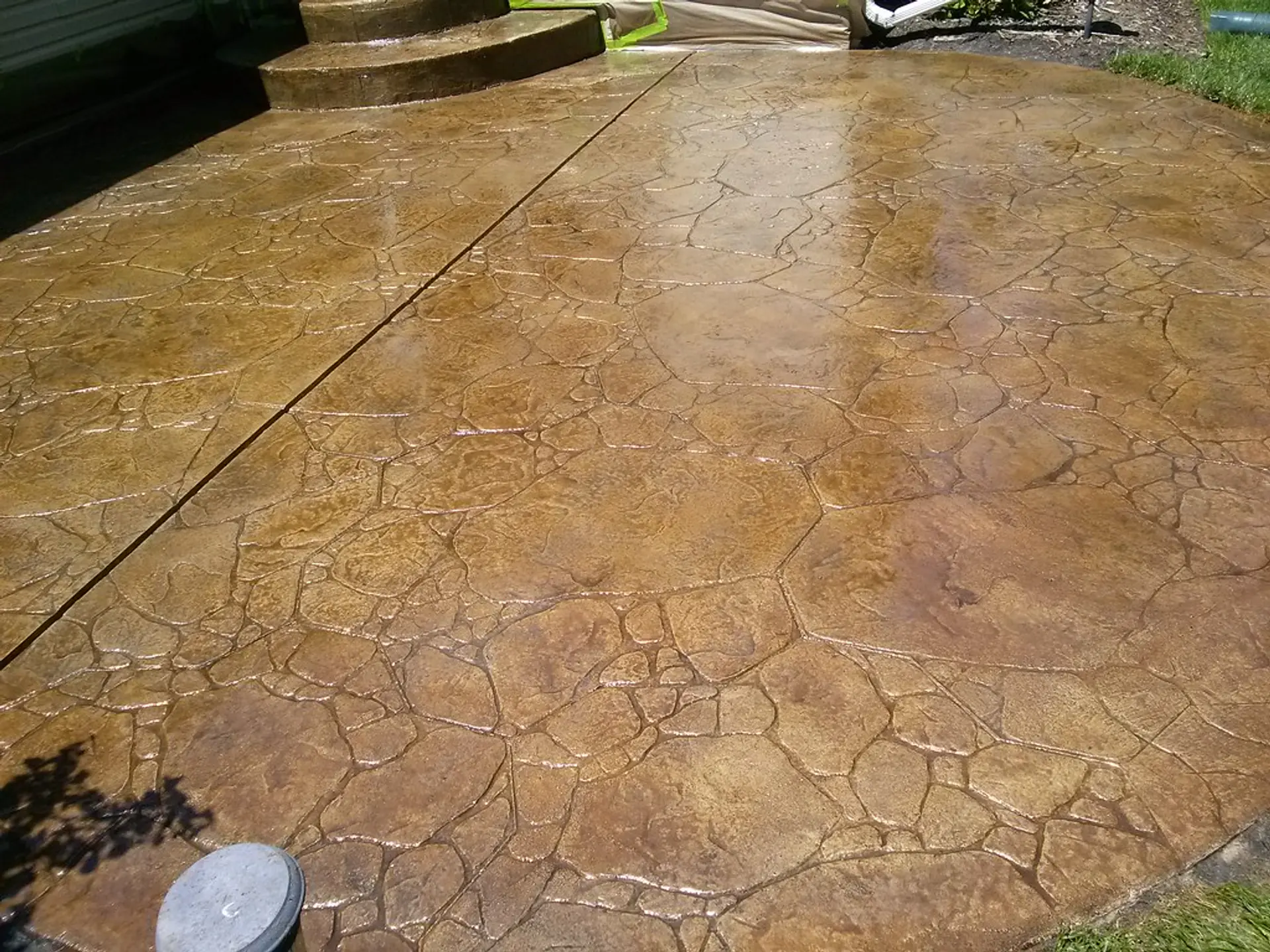
Stamped, stained, coloured and exposed-aggregate finishes that give you the look of pavers or flagstone without the joints to weed.
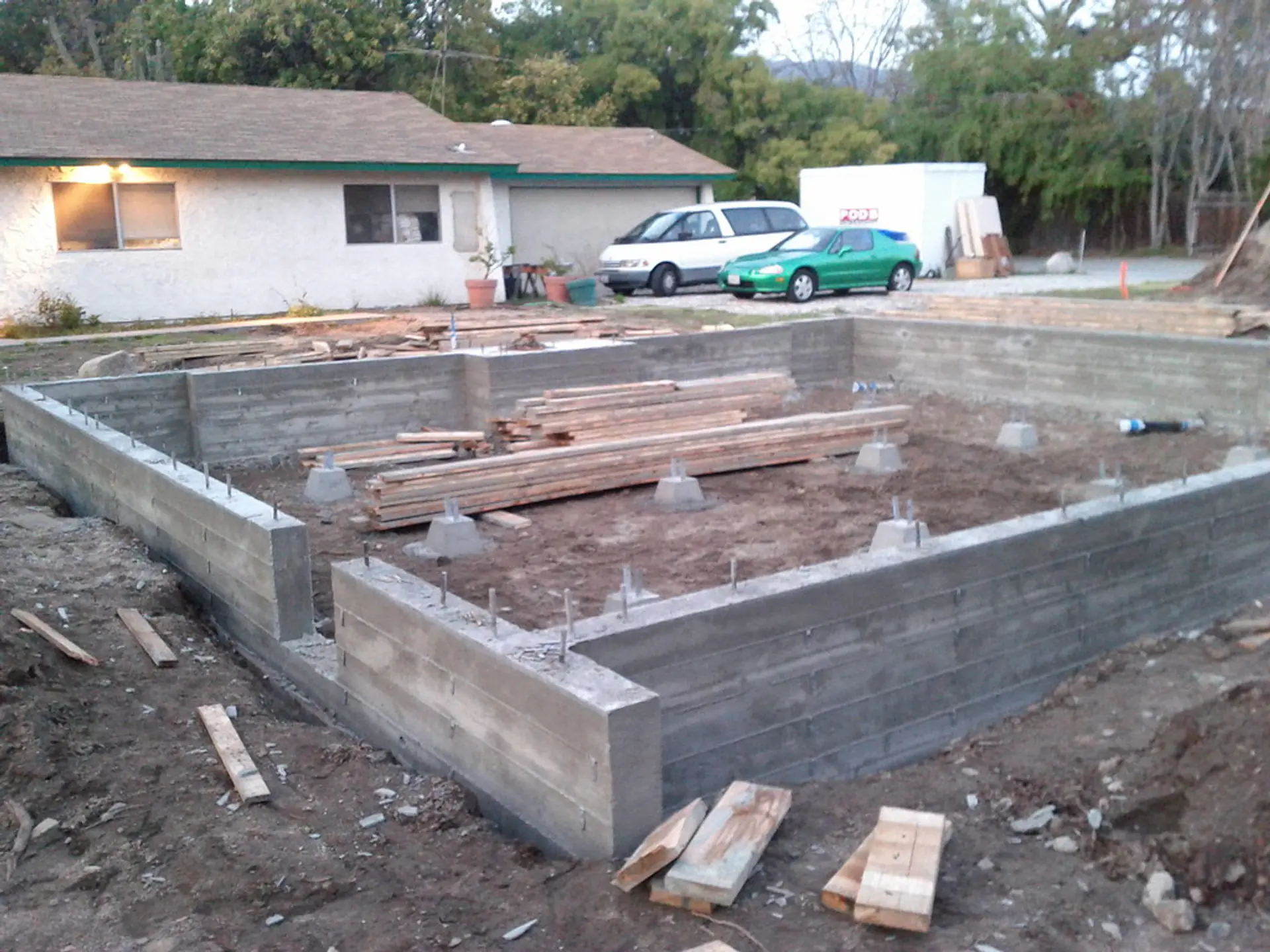
Foundations & Footings
Footings, frost walls and full foundations formed and poured below the 42-inch frost line, inspection-ready for your building department.
Garage, Shed & Floor Slabs
Reinforced slabs for garages, sheds, barns and additions — screeded flat, jointed correctly and finished for the load they will carry.
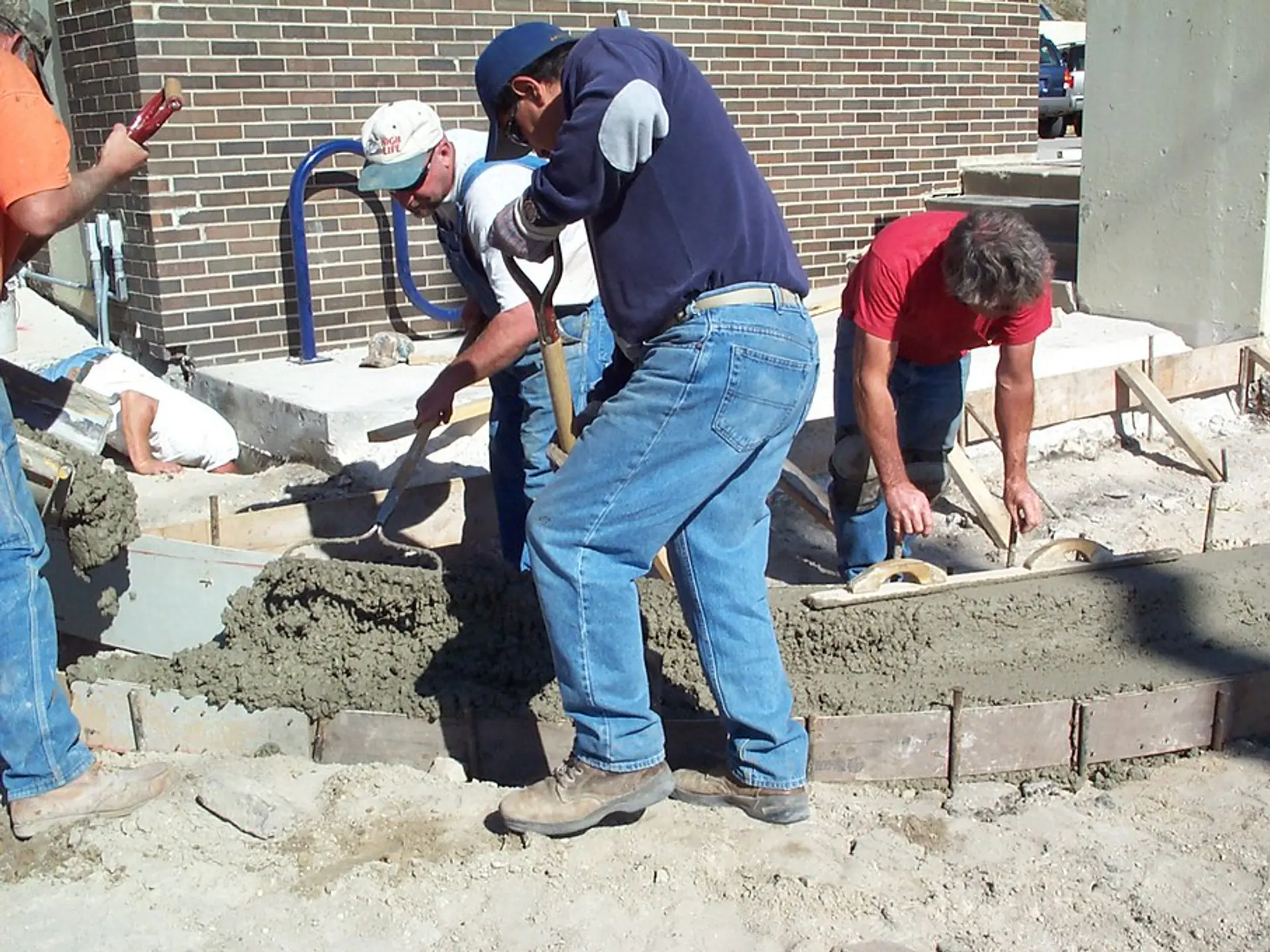
Sidewalks & Walkways
Walkways, steps and municipal sidewalk replacement, broom-finished for grip through a Southern Tier winter.
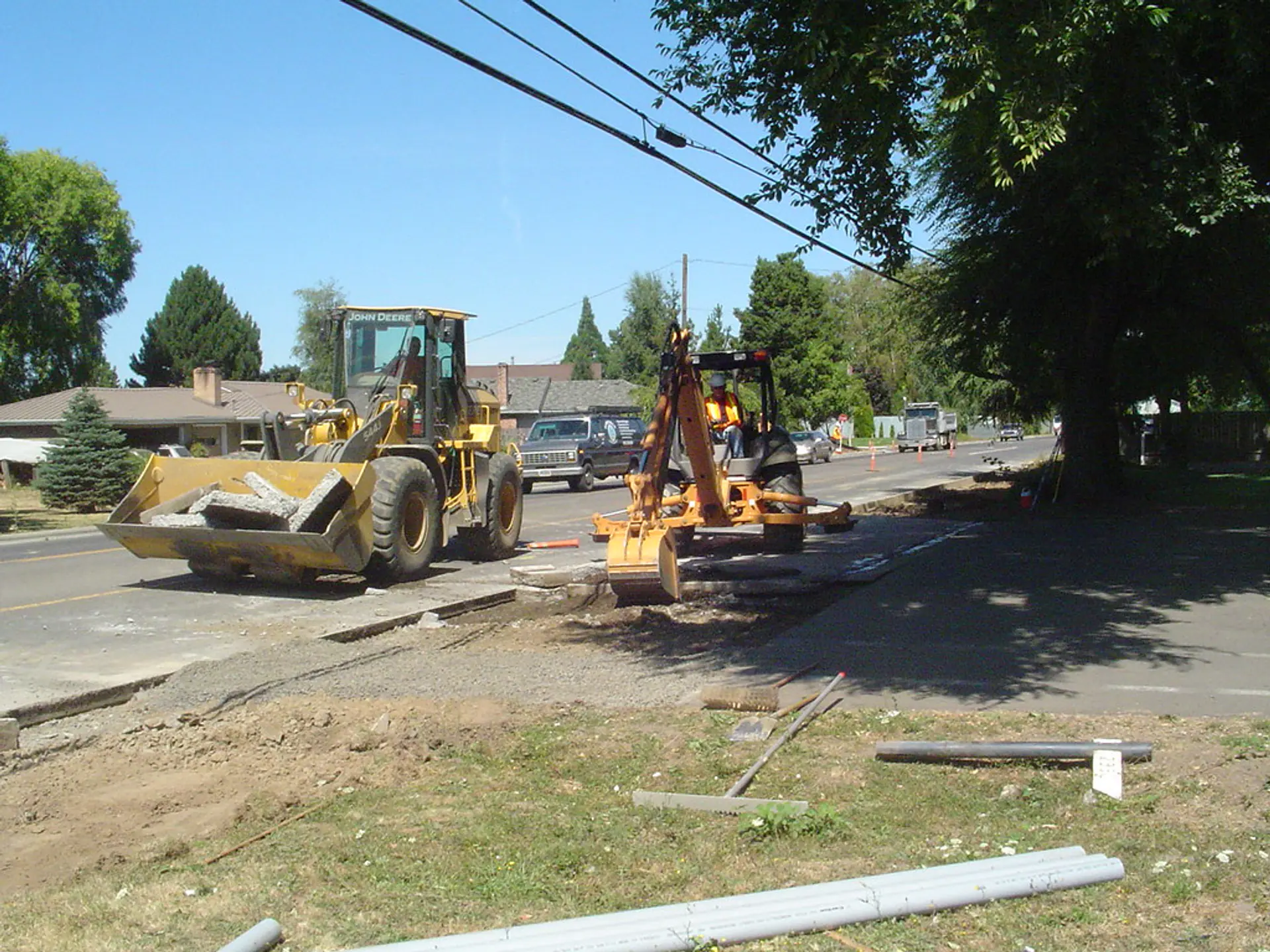
Concrete Repair & Replacement
Cracked, heaved, spalled or pitted concrete assessed honestly — we will tell you when a repair holds and when replacement is the cheaper answer.
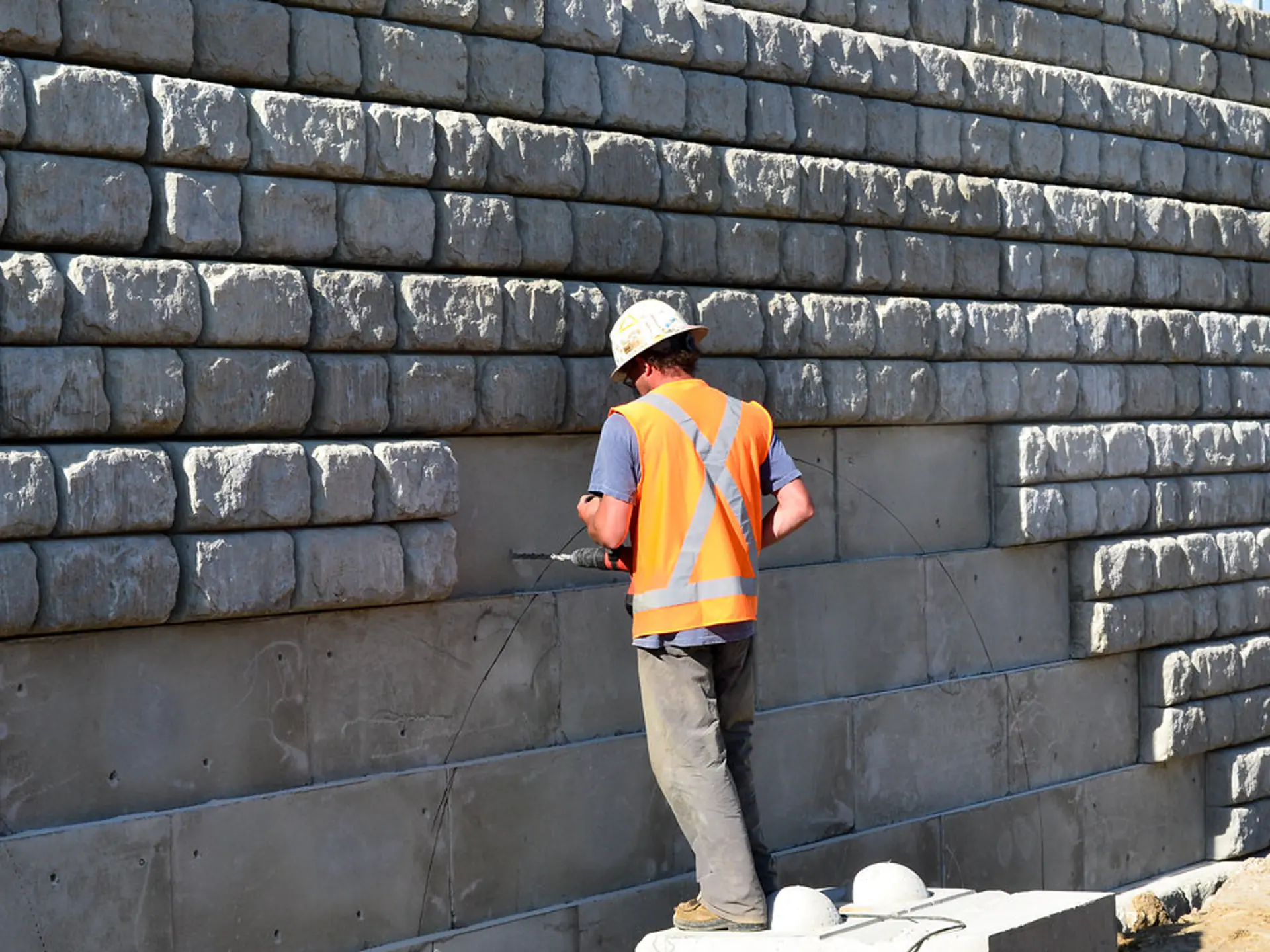
Retaining Walls & Steps
Poured and segmental block retaining walls with proper drainage behind them, plus poured steps and stoops that stay put through frost.
Specifications
What's In Our Price
These are the standards we build to as a matter of course. They are also the things most often left out of a cheaper bid — so if you are comparing quotes, this is the list worth asking about.
- Concrete strength
- 4,000 PSI air-entrained mix as standard on exterior flat work
- Air content
- 5–8% entrained air — the main defence against freeze-thaw scaling
- Slab thickness
- 4" typical for patios and walkways, 5–6" for driveways and garage slabs
- Base
- 6–8" of compacted crusher-run stone, placed and compacted in lifts
- Reinforcement
- Rebar or welded wire mesh, sized to the load the slab will carry
- Control joints
- Saw-cut or tooled at roughly 2–3× the slab thickness in feet
- Footing depth
- Below the 42" Broome and Tioga County design frost depth
- Finish & cure
- Broom, trowel or decorative finish, then curing compound applied
Request a Free Estimate
Tell us what you are planning and roughly how big — we will come measure and give you a fixed price.
Your details go straight to our estimating desk in Binghamton, NY. We typically respond the same business day.
Serving the Southern Tier
Local pricing, permit notes and timing for each community we cover.
Service Questions
How thick should a concrete driveway be?
For ordinary cars and light trucks, 5 inches over a properly compacted 6–8 inch stone base is our standard. We go to 6 inches where an RV, dump trailer or delivery truck will be parked. Thickness matters far less than the base underneath it — a 6-inch slab on poor base will fail before a 4-inch slab on good base.
Do I need rebar or wire mesh in my concrete?
Reinforcement does not stop concrete cracking; it holds the pieces together and keeps cracks tight so they do not become trip hazards or let water in. We use welded wire mesh on most flat work and rebar on driveways, structural slabs and anything carrying vehicle or building loads.
What is the difference between stamped and regular concrete?
Stamped concrete is the same structural slab with a texture pressed into the surface while it is still plastic, usually combined with colour. It gives the look of flagstone, slate or brick with no joints for weeds and no individual pavers to settle. It costs more than a broom finish and should be resealed every few years.
How do you stop water pooling on a new slab?
Slope. We set forms so the finished surface pitches roughly a quarter-inch per foot away from your house and toward somewhere water can actually go. On flat lots that sometimes means adding a drain or regrading. Standing water on concrete is a finishing and forming problem, not bad luck.
Should I seal my concrete?
On exterior concrete in this climate, yes. A penetrating sealer slows chloride from road salt getting into the surface, which is what causes the pitting and flaking you see on older driveways here. We recommend sealing after the first full cure and then every two to three years.
Not sure what your job needs?
Send a photo and rough measurements, or just book the free site visit. We will tell you what we would do and what it costs — including when the answer is that you do not need us yet.
- Licensed & Insured
- Free Written Estimates
- Workmanship Guarantee
- Local Crews, Not Subs